Stop Gum Disease and Tooth Loss Before They Start
At Marc P Stanard DDS, PC in Washington, DC , preventative care centers on the foundation that holds your smile in place: healthy gums and bone. Routine exams, thorough cleanings, careful periodontal screening and practical home care coaching help catch small problems early, while they are still simple to manage. The result is fewer surprises, less extensive treatment and a healthier mouth for life.
request an appointmentWhy Preventative Care Matters for Your Gums and Teeth
Gum disease is one of the leading causes of tooth loss in adults. Often it develops quietly, with no pain in its early stages. Plaque that is not removed every day hardens into tartar. Tartar irritates the gums, and over time the infection can spread below the gumline to the bone that supports your teeth. Preventative dentistry interrupts that process. Regular professional care and good daily habits keep bacteria under control before they cause lasting damage.
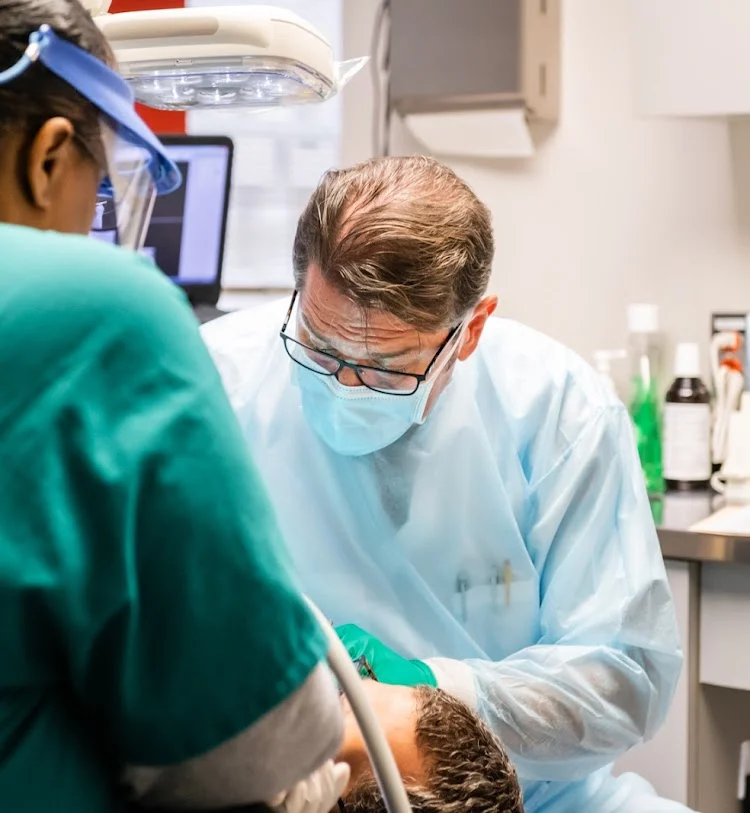
Because our practice focuses on periodontics and implant dentistry, we look closely at the health of your gums at every visit. We measure the pockets around your teeth, check for recession and inflammation, and track changes over time. If something needs attention, you will know early and understand your options.
What Preventative Care Includes
- Comprehensive oral exams to check teeth, gums, bite and soft tissues
- Professional cleanings to remove plaque and tartar your toothbrush cannot reach
- Periodontal charting to measure gum pocket depth and spot early signs of disease
- Oral cancer screening as part of a complete exam
- Personalized home care guidance based on your specific risk factors
- Maintenance care for patients with dental implants or a history of gum disease
Learn what happens during a routine visit on our cleanings and exams page.
Your Daily Routine at Home
What you do between visits matters just as much as your professional care. Brush at least twice a day for a full two minutes. Most people rush through this, so use a timer if it helps. Reach every surface of every tooth, inside and outside, and angle the bristles toward the gumline where plaque collects. Brush your tongue too, since this removes bacteria and keeps your breath fresh.
After brushing, floss once a day to clean between teeth and just below the gumline, where a toothbrush cannot reach. If traditional floss is difficult for you, interdental brushes or a water flosser can be good alternatives. We are happy to show you the technique that works best for your mouth through our oral hygiene instruction.
Who Benefits Most From Extra Preventative Attention
Some patients face a higher risk of gum problems and may need more frequent visits. That includes people who smoke, people with diabetes, women who are pregnant, patients taking medications that cause dry mouth, and anyone with a family history of gum disease. Patients who have had gum treatment in the past and patients with dental implants also do best on a regular maintenance schedule. Together we will set a visit schedule that matches your needs.
Warning Signs You Should Not Ignore
Call our office if you notice gums that bleed when you brush or floss, swollen or tender gums, persistent bad breath, gums pulling away from your teeth, loose teeth or changes in your bite. These can be early signs of gum disease. Treating them sooner almost always means simpler care.
Preventative Dentistry FAQs
How often should I have a dental checkup and cleaning?
Most patients do well with a visit every six months. If you have a history of gum disease, dental implants or other risk factors, we may recommend visits every three to four months to keep your gums stable.
Why does a periodontal practice focus on prevention?
Healthy gums and bone are what keep your teeth and implants secure. Monitoring gum health closely lets us find problems early, when they are easier and less costly to treat, and helps you avoid more involved procedures later.
Is it normal for my gums to bleed when I brush or floss?
No. Bleeding gums are often an early sign of inflammation or gingivitis. With better daily cleaning and a professional cleaning, this stage is usually reversible. If bleeding continues, schedule an exam so we can check for deeper gum problems.
How long should I brush my teeth?
Brush for at least two minutes, twice a day, with a soft-bristled brush. Clean every surface of each tooth, pay attention to the gumline, and finish by brushing your tongue to remove bacteria and freshen your breath.
Do I really need to floss every day?
Yes. Flossing removes plaque and food from between teeth and just below the gumline, where gum disease often begins. If floss is hard to use, interdental brushes or a water flosser can also work well.
Do dental implants need preventative care?
Yes. Implants cannot get cavities, but the gums and bone around them can become inflamed and infected. Daily cleaning and regular professional maintenance help protect your implant for the long term.
What happens during a periodontal screening?
We gently measure the space between each tooth and the gums with a small probe. Healthy pockets are shallow. Deeper readings, bleeding or recession can point to gum disease, so we record these numbers to track your gum health over time.
Keep Your Smile Healthy for Years to Come
The best time to protect your gums and teeth is before problems appear. Call Marc P Stanard DDS, PC at (202) 887-5441 or request a visit online to schedule your next exam and cleaning in Washington, DC .