Daily Habits That Protect Your Gums for Life
Your mouth often shows early signs of infection or disease before other parts of your body do, and the routine you follow at home matters a great deal. At Marc P Stanard DDS, PC in Washington, DC , we give personalized oral hygiene instruction that shows you how to brush, clean between your teeth and care for implants or treated gums. Many people keep their natural teeth for life with the right habits and regular professional care. Call (202) 887-5441 to schedule a visit and get a home care plan built around your mouth.
request an appointmentWhy Oral Hygiene Instruction Matters
The basics of good oral health have not changed. Brush twice a day, clean between your teeth every day, replace your toothbrush regularly and eat a balanced diet. Most people know these steps but have never been shown how to do them well. Plaque that is missed along the gumline and between teeth hardens into tartar. Over time it can inflame the gums and lead to bone loss around the teeth.
Many people think they only need a dentist when something hurts. Gum disease, though, is often painless in its early stages. Good home care, combined with regular cleanings and exams, helps prevent problems before they start. It also helps keep the results of any periodontal treatment you have already had.
What Happens During Your Instruction Visit
As a practice focused on periodontics and implant dentistry, we look closely at how your gums respond to your current routine. Your visit may include:
- A review of your gum health, including areas of bleeding, inflammation or plaque buildup
- A look at your current brushing and flossing technique
- Hands-on coaching on brush angle, pressure and timing
- Recommendations for interdental brushes, floss, water flossers or other tools suited to your teeth
- Specific guidance for cleaning around dental implants, bridges, crowns or areas with gum recession
- Tips on diet, tobacco use and other habits that affect your gums
Brushing the Right Way
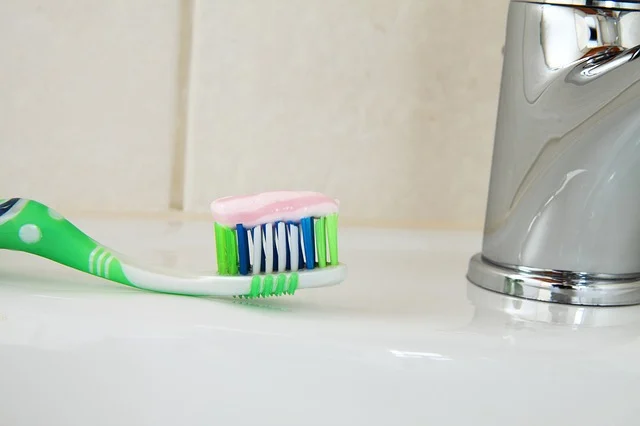
Use a soft-bristled toothbrush and fluoride toothpaste. Angle the bristles toward the gumline and use gentle, short strokes. Cleaning along the gumline removes the plaque that matters most for periodontal health. Brush for about two minutes, covering the outer, inner and chewing surfaces of every tooth. Brushing too hard can wear away gum tissue and enamel, so we show you how much pressure is enough.
Cleaning Between Your Teeth
A toothbrush cannot reach the tight spaces between teeth, and that is where gum disease often begins. Depending on the spacing of your teeth and the health of your gums, we may suggest traditional floss, floss picks, interdental brushes or a water flosser. The best tool is the one you will use correctly every day, and we help you find it.
Home Care After Periodontal Treatment or Implants
If you have had periodontal disease treatment, gum grafting or dental implants, your home care needs special attention. Implants do not decay, but the gum and bone around them can become inflamed just like natural teeth. We show you how to clean around implants, grafted tissue and restorations so your treatment lasts for years.
Who Benefits From Oral Hygiene Instruction
- Patients with bleeding, swollen or receding gums
- Anyone diagnosed with gingivitis or periodontitis
- Patients with dental implants, bridges or crowns
- People with diabetes, a history of smoking or other risk factors for gum disease
- Anyone who wants to protect their natural teeth for the long term
Oral Hygiene Instruction FAQs
What is oral hygiene instruction?
Oral hygiene instruction is personalized coaching on how to care for your teeth and gums at home. We review your current routine, show you the correct brushing and interdental cleaning technique and recommend tools that suit your mouth.
How often should I brush and clean between my teeth?
Brush twice a day for about two minutes with a soft-bristled brush and fluoride toothpaste. Clean between your teeth once a day with floss, interdental brushes or a water flosser.
Why do my gums bleed when I brush or floss?
Bleeding gums are often a sign of inflammation caused by plaque along the gumline. It can be an early sign of gum disease. A periodontal evaluation can find the cause, and better technique often reduces bleeding over time.
Is a water flosser as good as regular floss?
A water flosser can be very helpful, especially around implants, bridges and wider spaces between teeth. Some patients do best with a combination of tools. We help you choose what works best for your teeth and gums.
How do I clean around dental implants?
Implants need daily cleaning just like natural teeth. A soft brush, interdental brushes and floss or a water flosser made for implants help keep the surrounding gum and bone healthy. We show you the right technique during your visit.
How often should I replace my toothbrush?
Replace your toothbrush or brush head every three to four months, or sooner if the bristles look frayed. Worn bristles do not clean as well along the gumline.
Can good home care prevent gum disease?
Consistent brushing, daily interdental cleaning and regular professional cleanings greatly lower your risk of gum disease. Home care also helps keep the results of any periodontal treatment you have had.
Build a Home Care Routine That Protects Your Smile
Get practical, personalized guidance for keeping your gums, teeth and implants healthy. Call Marc P Stanard DDS, PC at (202) 887-5441 to schedule your visit in Washington, DC .